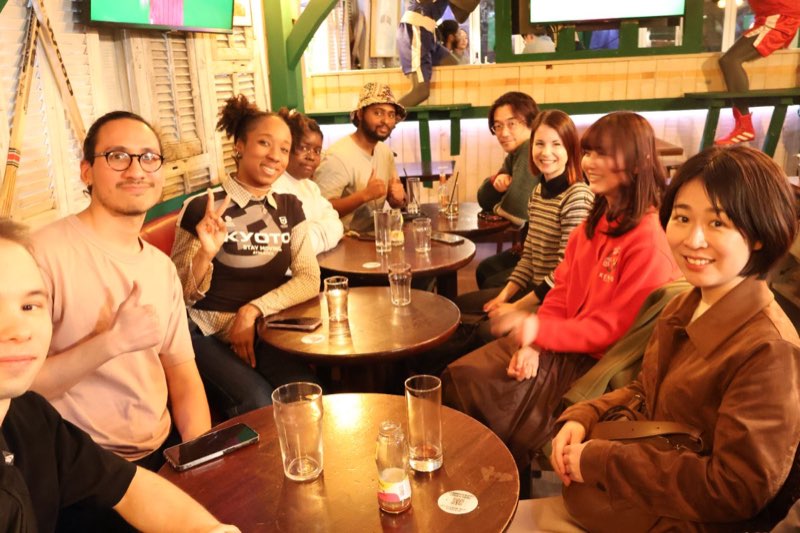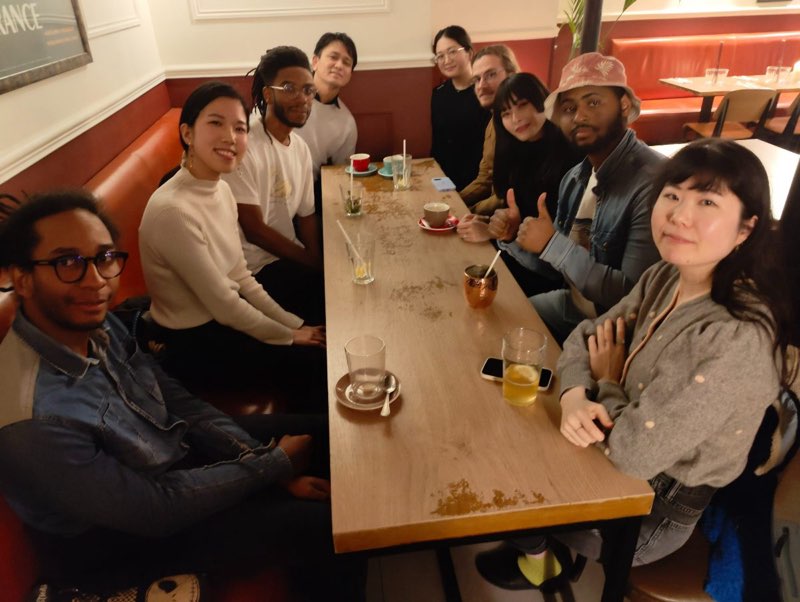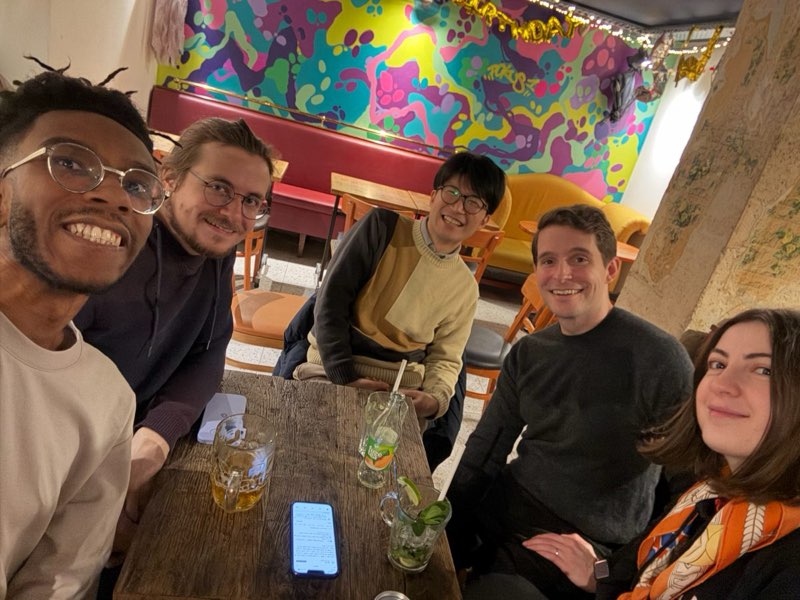

You live in Paris, or you are staying a while, and your French is stuck somewhere between the textbook and real life. Searching for a French conversation group mixes two different things. Conversation classes are paid lessons led by a teacher, like the schools that fill the map. Conversation groups are free or cheap, and French speakers and English speakers simply swap languages. This guide covers both, checked in October 2026: big polyglot nights, small structured tables, quick one-to-one exchanges, and the classes worth paying for. A quick rule of thumb: if you want lots of practice and new acquaintances, start with a group. If you need correction and structure, add a class. And if your goal is French friends, pick a small group you will come back to every week.
At a glance: where to go for what
| Your goal | Where to go |
|---|---|
| Free, big and social | Polyglot Club Paris |
| Small groups, 45 minutes in each language | Parler Parlor, WICE (for members), Furamori |
| Talk to lots of people quickly | Franglish (7-minute one-to-ones) |
| A calm weekly workshop | Club International de Paris |
| Correction and structure from a teacher | A paid conversation class |
| French friends | A small group you return to every week |
Free and low-cost conversation groups
These are the easiest way in. You turn up, you talk, and French speakers who want to practise their English are there for the same reason as you.
| Group | Format | Good to know |
|---|---|---|
| Polyglot Club Paris polyglotclub.com |
Every Tuesday and Saturday, 8pm to 2am, at Le Baratin (41 boulevard Saint-Marcel, 13th). Name tags list the languages you speak, and you go and find people | Free entry, you buy a drink. Between 50 and 120 people a night: lively, but you need to be comfortable approaching strangers. |
| Club International de Paris club-international.org |
A French-English workshop every Tuesday in the tea room of the Grande Mosquée de Paris. The first hour is in French, then the group switches to English | Around ten people, a calm and friendly setting, many newcomers to Paris. Check its programme for the current fee. |
| Meetup groups meetup.com |
Large language-exchange communities organise regular evenings in bars and cafés, such as Paris "Internationals" (around 10,000 members) or English & French language exchange (around 6,000) | Mostly free. Quality varies a lot from one evening to the next: read recent reviews before you go. |

Small, structured groups
If big nights feel like shouting over music, these formats keep the group small and split the time evenly between both languages.
- WICE: an all-volunteer, non-profit association for the English-speaking community. Its French-English groups meet in small groups of 5 to 6, with 45 minutes in French and 45 in English. In person on Tuesdays (Maison Communale, 69 rue Violet, 15th) and on Fridays at Le Nelsons near Les Halles, from 3pm to 4:30pm, plus online sessions on Zoom. Free for WICE members.
- Parler Parlor: tables of 6 to 8, balanced between English and French speakers, 45 minutes in each language, with free-form topics and members correcting each other. Several sessions a week in the 1st or 6th arrondissement. Your first session is free, then around €10 a session, with discounted multi-session cards.
- Franglish: a speed-dating format for languages. You spend 7 minutes in French and 7 in English with one person, then move on to the next. Weekly evenings from 7pm to 9pm; the entry fee includes a drink. Great for talking to a lot of people, less so for getting to know any of them.
Paid conversation classes: when they are worth it
The schools you see on the map, such as French As You Like It or Speed-Frenching, and small guided classes like Novexpat's, are a different product. A teacher leads the conversation, corrects you and makes sure everyone speaks.
They are worth it if you freeze in French, if you need your mistakes corrected, or if you are preparing for an exam or a job. Their limit: the people around the table are other learners, not French natives. Many people combine both, a class for structure and a conversation group for real practice.

How to turn a conversation group into French friends
- Go back to the same group every week. One evening rarely makes a friend. Seeing the same faces every week does.
- Prefer small tables. At a night with a hundred people, you will mostly meet other foreigners. In a group of six, you actually get to know the French speakers.
- Check the balance before you go. Many exchanges attract more English speakers than French speakers. Ask how the group is put together.
- Suggest something after. A coffee, a walk, an exhibition: that is when an exchange partner becomes a friend.
- Swap WhatsApp. It is how most people in France keep in touch.

A table with French speakers planned in advance
The problem that comes back in every option above is balance: finding, in the same place every week, French speakers who actually want to talk with you.
Furamori starts from there. We put together tables of 4 to 8 people in Paris cafés, with French native speakers and English speakers planned for each table before anyone arrives. You sign up, you get the café's address, and you do not have to look for someone to talk to once you are there. The format is explained on our French-English exchange in Paris page. And if it is not what you are looking for, the groups in this guide are all good places to start.
Frequently asked questions
Are there free French conversation groups in Paris?
What's the difference between a conversation group and a conversation class?
What level of French do I need?
How can I meet French people in Paris?
Are there French conversation groups online?
Sources: organisers' websites and listings, checked on October 6, 2026. Formats, days and prices change: check before you go. Franglish's prices differ between sources, so none is given here.